Full Home Renovation
Home Renovation Is The Process Of Improving, Repairing, Or Modernising Your Home. It Can Involve Anything From Small Updates Like Painting Or Flooring To Major Structural Changes Like Adding A New Room Or Expanding Your Living Space.
Why renovate?
- Increase Property Value: Renovations Can Make Your Home More Attractive To Potential Buyers And Increase Its Resale Value.
- Improve Functionality: Update Outdated Features Or Create A More Efficient Layout To Better Suit Your Needs.
- Enhance Your Lifestyle: Create A Personalized Space That Reflects Your Style And Preferences.
- Save Energy: Install Energy-Efficient Appliances And Insulation To Reduce Your Utility Bills.
Common renovation projects:
- Kitchen Remodeling: Update Appliances, Countertops, Cabinets, And Flooring.
- Bathroom Renovations: Replace Fixtures, Tile, And Flooring.
- Bedroom Makeovers: Paint, Replace Flooring, Or Add Built-In Storage.
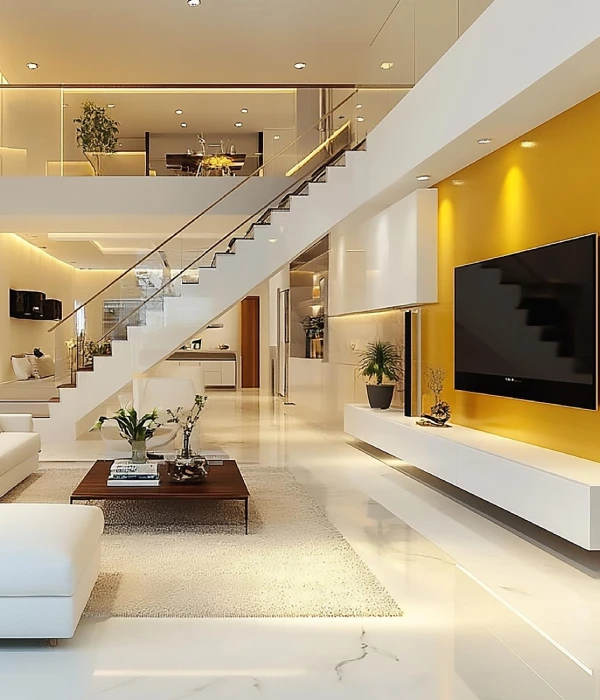
- Living Room Transformations: Update Furniture, Lighting, Or Create A New Focal Point.
- Outdoor Space Improvements: Landscaping, Patio Construction, Or Adding A Pool.
- Structural Changes: Adding Rooms, Expanding Living Space, Or Improving Insulation.
Home Modernization
Home Modernization Is The Process Of Renovating, Improving, Or Adding To An Existing Home To Make It More Modern And Functional. This Can Include A Wide Range Of Projects, Such As:
- Interior Improvements: Updating The Kitchen And Bathrooms, Replacing Flooring, Painting Walls, And Adding New Furniture.
- Exterior Improvements: Repairing Or Replacing The Roof, Siding, Windows, And Doors, Landscaping The Yard, And Adding A New Driveway Or Garage.
- Energy Efficiency Upgrades: Installing Energy-Efficient Appliances, Insulation, And Lighting, And Upgrading The Heating And Cooling Systems./
- Accessibility Improvements: Making The Home More Accessible For People With Disabilities, Such As Installing Ramps, Widening Doorways, And Adding Grab Bars.
Home Modernization Can Be A Great Way To Increase The Value Of Your Home, Improve Your Quality Of Life, And Make Your Home More Sustainable.
Full Home Furnishing
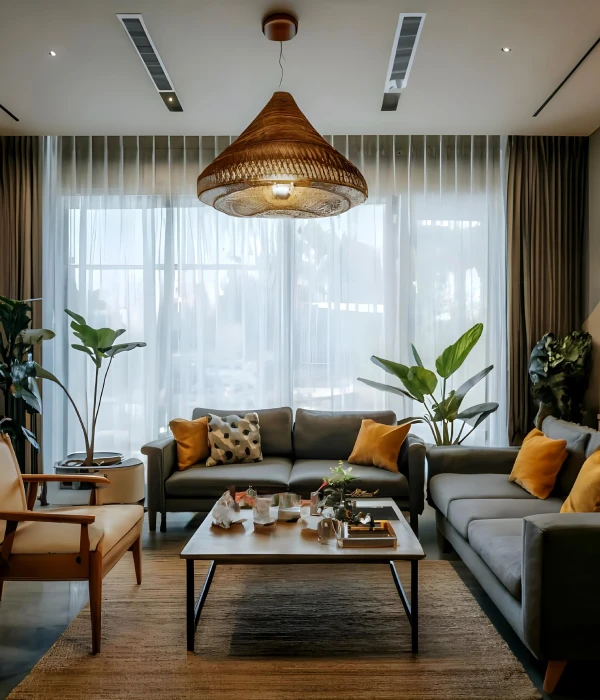
Full Home Furnishing Refers To The Complete Set Of Items Needed To Furnish Your Entire Home. It Encompasses Everything From Large Pieces Like Sofas, Beds, And Dining Tables To Smaller Items Like Curtains, Rugs, And Decorative Accents.
Here’s a breakdown of what typically falls under full home furnishing:
- Living Room: Sofas, Chairs, Coffee Tables, Tv Stands, Rugs, Curtains, Wall Art, Lamps
- Bedroom: Beds, Mattresses, Dressers, Nightstands, Bedside Tables, Wardrobes, Curtains, Rugs, Bedding Sets
- Dining Room: Dining Tables, Chairs, Buffet Servers, Sideboards, Rugs, Chandeliers
- Kitchen: Kitchen Cabinets, Countertops, Appliances, Dining Tables, Chairs
- Bathroom: Vanities, Sinks, Toilets, Bathtubs, Showers, Mirrors, Towels, Rugs
- Other Areas: Home Office Furniture, Hallway Console Tables, Entryway Benches, Outdoor Furniture.
Essentially, Full Home Furnishing Ensures That Your Home Is Fully Equipped With Everything You Need To Create A Comfortable And Stylish Living Space.
Interior Design
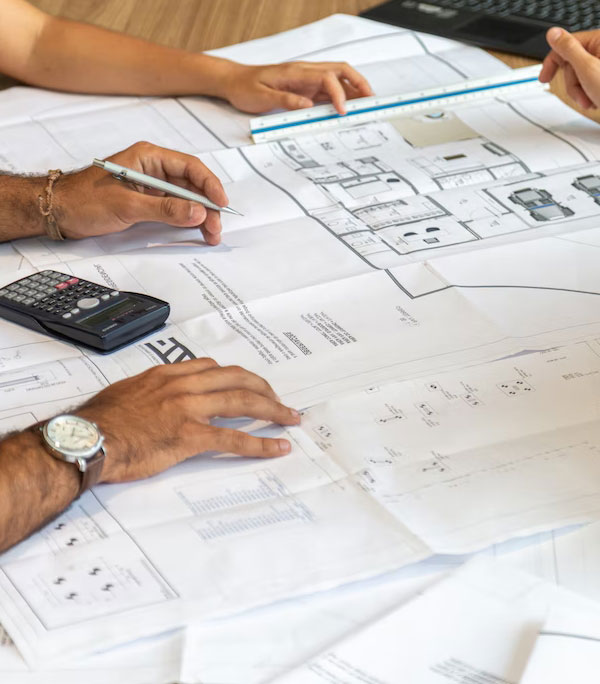
Interior Design Is The Art And Science Of Enhancing The Interior Of A Building To Achieve A Healthier And More Aesthetically Pleasing Environment For The People Using The Space. It Involves Planning, Designing, And Executing The Interior Spaces Of Buildings, Considering Factors Such As Function, Safety, And Aesthetics.
Interior designers are responsible for:
- Space Planning: Determining The Layout And Configuration Of Rooms And Spaces Within A Building.
- Color Selection: Choosing Appropriate Colors For Walls, Ceilings, Floors, And Furnishings To Create A Desired Atmosphere.
- Material Selection: Selecting Materials For Walls, Floors, Ceilings, And Furnishings That Are Both Functional And Aesthetically Pleasing.
- Furniture Selection: Choosing Furniture That Is Both Functional And Stylish.
- Lighting Design: Designing Lighting Systems That Provide Adequate Illumination And Create A Desired Atmosphere.: Designing lighting systems that provide adequate illumination and create a desired atmosphere.
- Decorative Accessories: Selecting Decorative Accessories, Such As Artwork, Rugs, And Curtains, To Complete The Design.
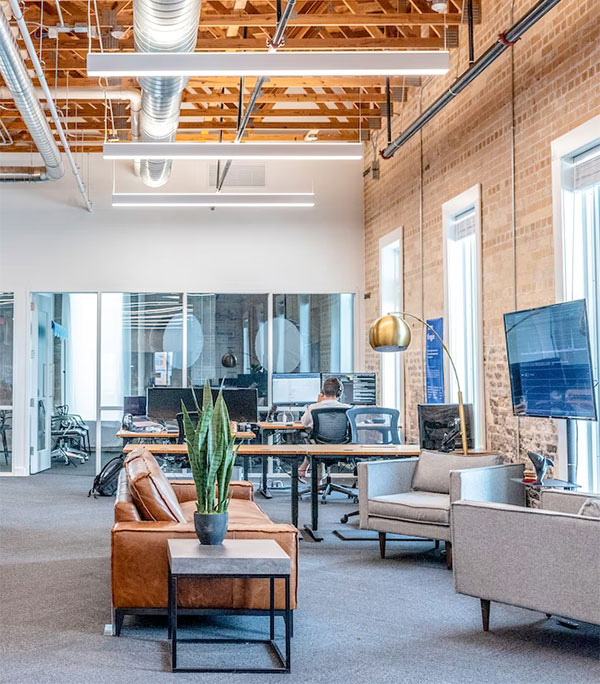
Interior Design Can Be Applied To A Variety Of Spaces, Including Homes, Offices, Hotels, Restaurants, And Retail Stores. The Goal Is To Create A Space That Is Both Functional And Visually Appealing, And That Meets The Needs And Preferences Of The People Who Will Be Using It.
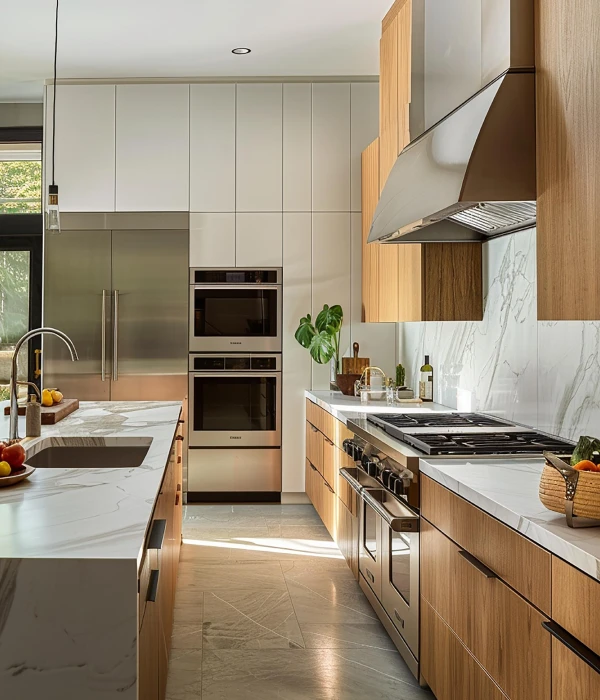
Modular Kitchen
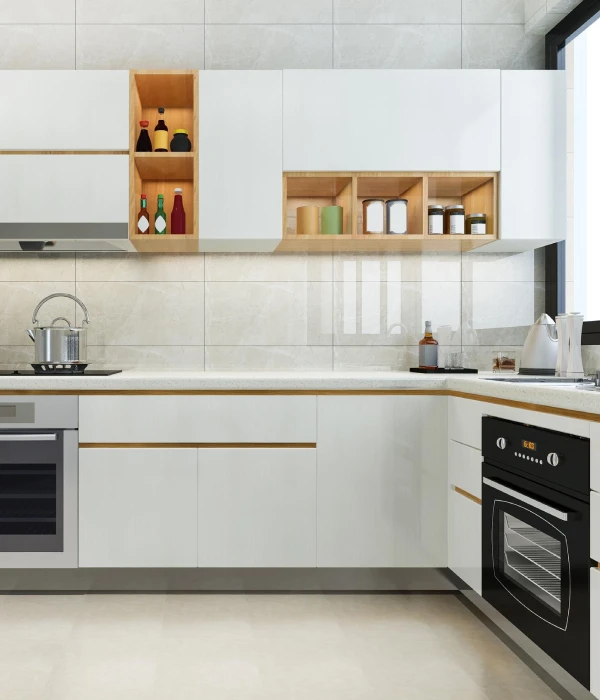
A Modular Kitchen Is A Type Of Kitchen Where The Cabinets And Other Components Are Pre-Fabricated And Assembled On-Site. This Allows For A More Flexible And Customizable Design Compared To Traditional Kitchens, Where Cabinets Are Often Built-In.
Key Features Of Modular Kitchens:
- Pre-Fabricated Components: Cabinets, Countertops, Appliances, And Other Elements Are Manufactured Off-Site And Delivered To The Kitchen Space.
- Customization: Modular Kitchens Can Be Customized To Fit Various Spaces And Styles. Customers Can Choose From A Wide Range Of Colors, Finishes, And Layouts.
- Flexibility: Modular Kitchens Are Easy To Install And Can Be Rearranged Or Expanded As Needed.
- Efficiency: The Pre-Fabrication Process Often Results In Faster Installation Times And Reduced Waste.
- Cost-Effective: Modular Kitchens Can Be More Cost-Effective Than Custom-Built Kitchens, Especially For Smaller Projects.
Types of modular kitchens:
- Straight-Line Kitchen: A Simple Layout With Cabinets And Appliances Arranged Along One Wall.
- L-Shaped Kitchen: A More Spacious Layout With Cabinets Arranged Along Two Adjacent Walls, Forming An L-Shape.
- U-Shaped Kitchen: A Layout With Cabinets And Appliances Arranged Along Three Sides Of A Room, Creating A U-Shape.
- Island Kitchen: A Layout With A Freestanding Island Unit In The Center Of The Kitchen, Providing Additional Countertop And Storage Space.
Benefits of modular kitchens:
- Customization: Modular Kitchens Offer A High Degree Of Customization, Allowing Homeowners To Create A Kitchen That Reflects Their Personal Style And Needs.
- Efficiency: Modular Kitchens Are Often More Efficient To Install Than Custom-Built Kitchens, Reducing Project Timelines And Costs.
- Flexibility: Modular Kitchens Can Be Easily Rearranged Or Expanded As Needed, Making Them A Versatile Option For Homeowners.
- Durability: Modular Kitchen Components Are Typically Made From High-Quality Materials, Ensuring Long-Lasting Durability.
- Cost-Effective: Modular Kitchens Can Be A More Cost-Effective Option Than Custom-Built Kitchens, Especially For Smaller Projects.
Elevation Works
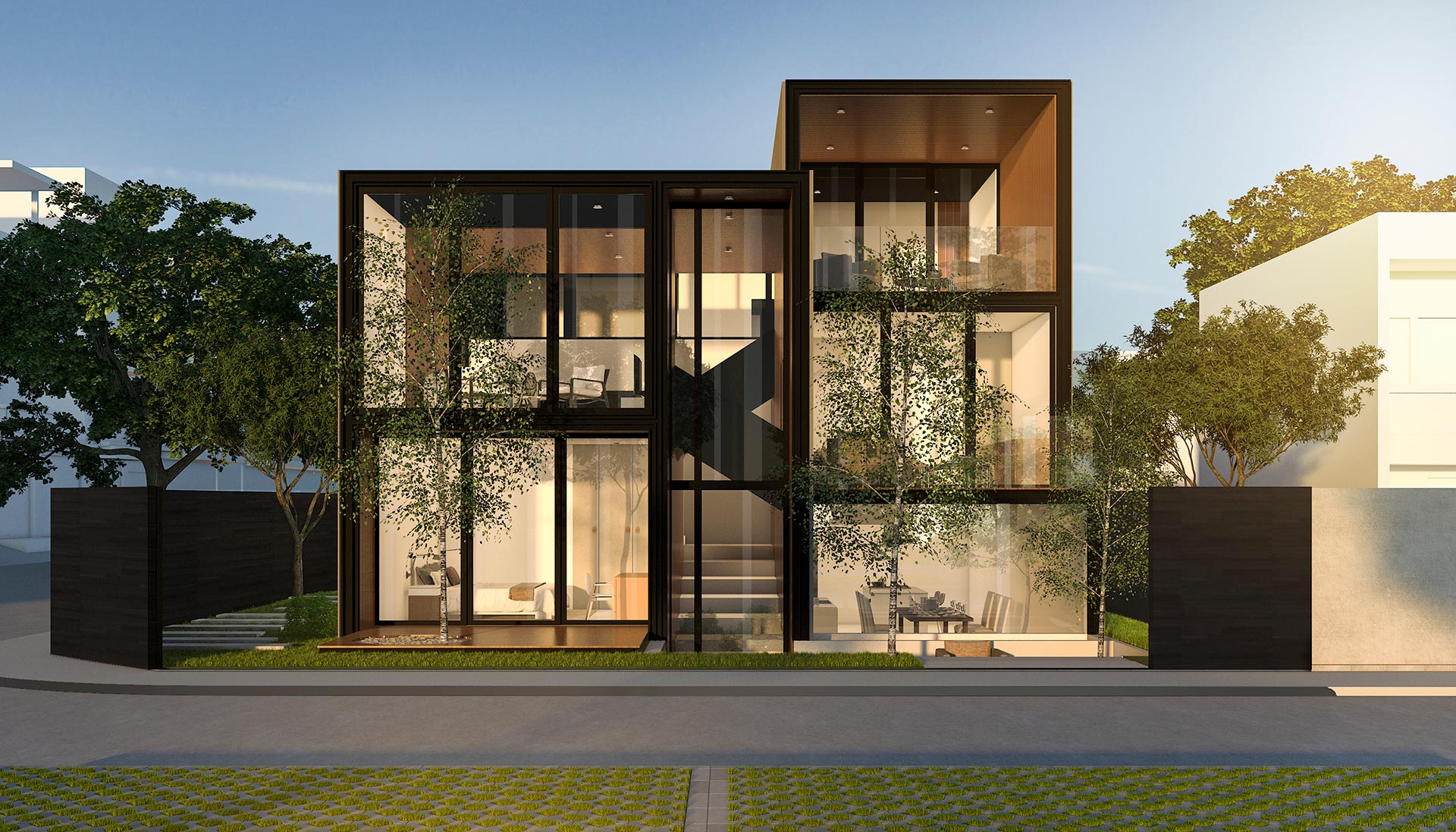
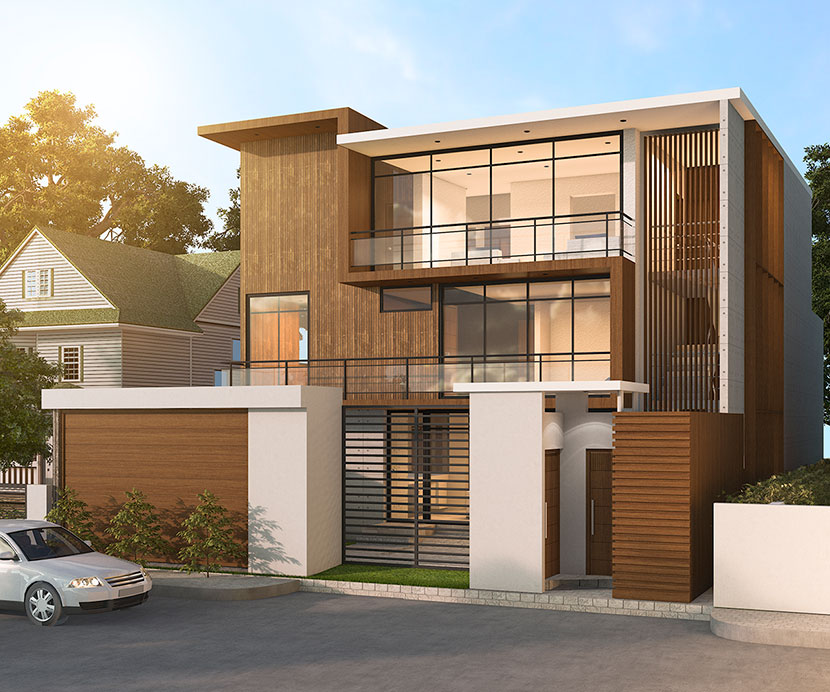
Home Elevation Works Refer To The Exterior Design And Construction Of A Building, Specifically The Front Façade Or Elevation. It Encompasses The Visual Appearance Of The Building From The Street Or Other Vantage Points.
Elevation Works Can Involve Various Elements Such As:
- Architectural Style: Choosing The Overall Style Or Aesthetic Of The Building, Such As Modern, Traditional, Or Contemporary.
- Facade Materials: Selecting Materials For The Exterior Walls, Such As Brick, Stone, Stucco, Or Wood.
- Windows And Doors: Designing And Installing Windows And Doors That Complement The Overall Style And Provide Natural Light And Ventilation.
- Roofing: Choosing The Type Of Roofing Material And Design, Such As Shingles, Tiles, Or Metal.
- Porches And Balconies: Adding Porches Or Balconies To Create Outdoor Living Spaces.
- Landscaping: Designing And Planting Landscaping Elements To Enhance The Building's Appearance And Create Curb Appeal.
Home Elevation Works Can Significantly Impact The Overall Value And Appeal Of A Property. A Well-Designed Elevation Can Create A Positive First Impression And Contribute To The Overall Harmony Of A Neighbourhood.
Power Backup Solutions
Power Backup Solutions Are Systems Or Devices That Provide A Secondary Source Of Electricity When The Primary Power Supply Fails Or Is Insufficient. These Solutions Are Essential For Ensuring Continuity Of Operations In Critical Applications Such As Hospitals, Data Centers, Manufacturing Facilities, And Homes.
Here Are Some Common Types Of Power Backup Solutions:
- Uninterruptible Power Supply (Ups): A Ups Provides Immediate Backup Power When The Primary Power Supply Fails, Preventing Data Loss And Equipment Damage. They Come In Various Types, Including Online, Line-Interactive, And Offline.
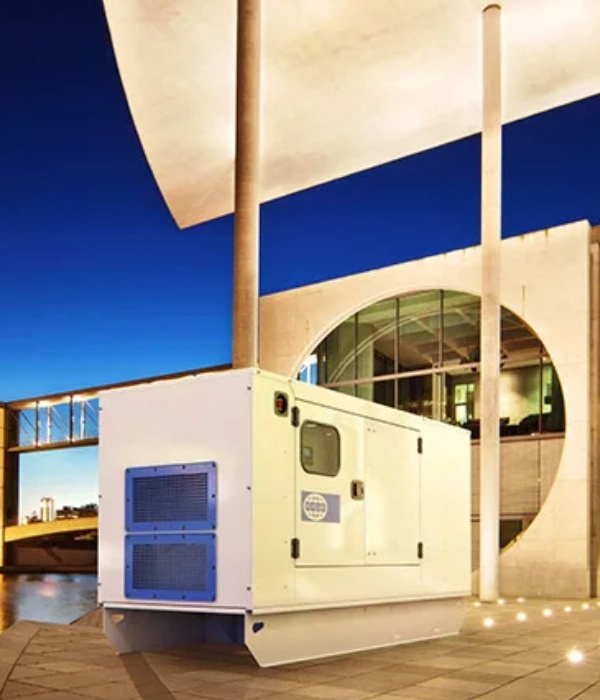
- Generators: Generators Are Used To Produce Electricity On-Site. They Can Be Powered By Various Fuels Such As Diesel, Gasoline, Or Natural Gas. Generators Are Often Used For Backup Power In Large Facilities Or Remote Locations.
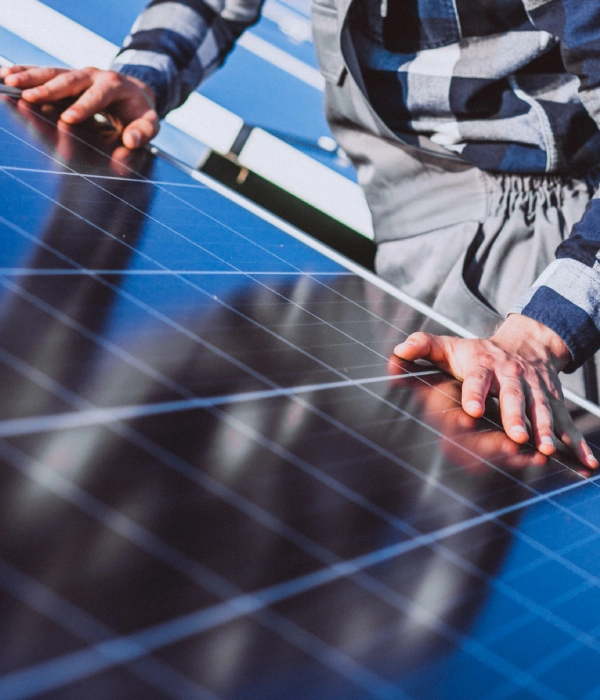
- Solar Power Systems: Solar Panels Can Be Used To Generate Electricity During The Day And Store It In Batteries For Use At Night Or During Power Outages. Solar Power Systems Are A Sustainable And Eco-Friendly Option For Power Backup.
- Battery Banks: Battery Banks Are Used To Store Electricity For Later Use. They Can Be Used In Conjunction With Generators Or Solar Power Systems.
- Surge Protectors: Surge Protectors Protect Electronic Equipment From Damage Caused By Sudden Voltage Spikes Or Surges. While Not Strictly A Power Backup Solution, They Can Help Prevent Equipment Failure During Power Outages.
The Choice Of Power Backup Solution Depends On Various Factors Such As The Criticality Of The Application, The Required Power Capacity, The Budget, And The Environmental Impact. It’s Important To Choose A Solution That Is Reliable, Efficient, And Suitable For Your Specific Needs.
Home Painting and Damp proofing
Home Painting Is The Process Of Applying Paint To The Interior Or Exterior Surfaces Of A Home To Protect And Beautify The Structure. It Involves Preparing The Surfaces To Be Painted, Selecting Appropriate Paint Products, And Applying The Paint Using Various Techniques.
Key Steps Involved In Home Painting:
- Surface Preparation: This Includes Cleaning The Surfaces To Remove Dirt, Dust, And Loose Paint, As Well As Repairing Any Damage Such As Cracks Or Holes.
- Priming: Applying A Primer To The Surfaces To Provide A Smooth And Even Base For The Paint And Improve Adhesion.
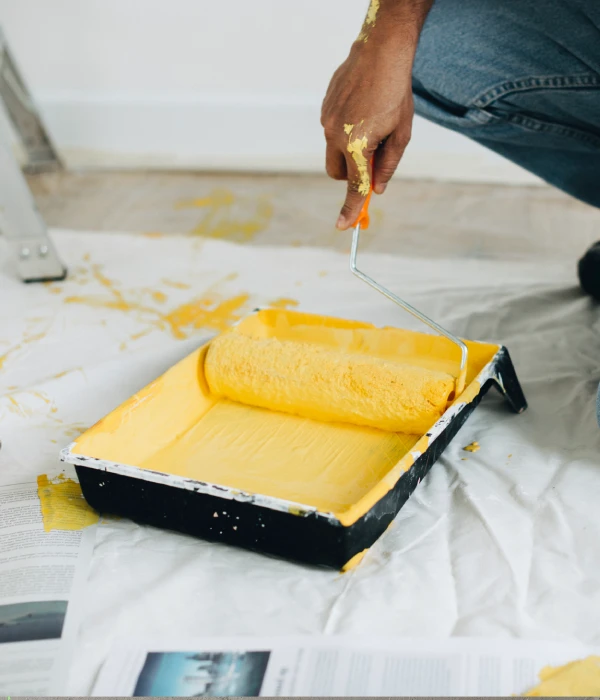
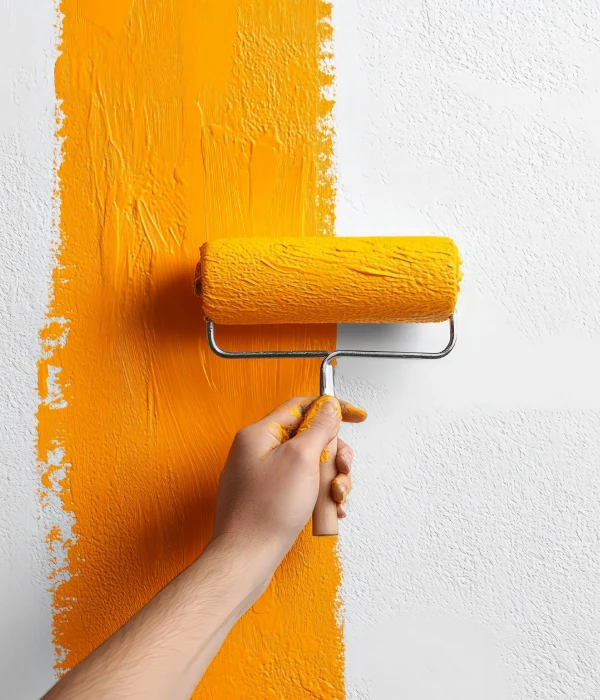
- Painting: Applying The Desired Coats Of Paint Using Appropriate Tools Such As Brushes, Rollers, Or Spray Guns.
- Finishing: Applying A Clear Coat Or Sealer To Protect The Paint And Enhance Its Appearance.
Benefits of home painting:
- Protection: Paint Protects Surfaces From Moisture, Uv Rays, And Other Environmental Factors.
- Aesthetics: Paint Can Be Used To Create A Desired Look Or Style For A Home.
- Increased Property Value: Well-Maintained Paint Can Increase The Value Of A Home.
- Improved Mood: A Fresh Coat Of Paint Can Create A More Inviting And Pleasant Atmosphere.
When choosing paint for your home, consider factors such as:
- Type Of Surface: Different Paints Are Suitable For Different Surfaces, Such As Wood, Metal, Or Concrete.
- Interior Or Exterior Use: Paints Designed For Interior Use May Not Be Suitable For Exterior Applications.
- Finish: Paints Come In Various Finishes, Such As Matte, Satin, Or Gloss.
- Color: Choose Colors That Complement The Overall Style Of Your Home And Create A Desired Atmosphere.
Damp Proofing Is A Process Used To Prevent Moisture From Entering A Building, Typically From The Ground. It Involves Applying Materials Or Techniques To Walls And Floors To Create A Barrier Against Rising Damp, Which Is Moisture That Travels Upwards Through The Walls Due To Capillary Action.
Common methods of damp proofing include:
- Damp-Proof Course (Dpc): A Horizontal Layer Of Waterproof Material, Such As Bitumen Or Concrete, Installed At The Base Of Walls To Prevent Moisture From Rising.
- Chemical Damp Proofing: Injecting A Chemical Solution Into The Walls To Repel Water.
- Electro-Osmosis: Using An Electrical Current To Repel Water From The Walls.
- Cavity Wall Insulation: Filling The Cavity Between The Inner And Outer Walls With Insulation To Prevent Moisture From Entering.
Damp Proofing Is Important For Maintaining A Healthy And Comfortable Living Environment. Without Proper Damp Proofing, Moisture Can Lead To A Range Of Problems, Including:
- Mold And Mildew Growth
- Rotting Of Timber
- Damage To Plaster And Paint
- Health Issues
If You’re Experiencing Dampness In Your Home, It’s Important To Address The Issue Promptly. A Professional Can Assess The Cause Of The Damp And Recommend The Most Appropriate Treatment.

Vastu Correction
Vastu Correction Is A Practice Rooted In Ancient Indian Architecture And Design Principles, Aimed At Creating Harmonious And Balanced Living Spaces. It Involves Making Modifications To A Building Or Its Surroundings To Align With The Natural Energies Of The Environment.
Key Principles Of Vastu Correction Include:
- Direction: The Orientation Of The Building And Its Rooms In Relation To The Cardinal Directions (East, West, North, South) Is Considered Crucial.
- Energy Flow: Ensuring The Unobstructed Flow Of Energy (Prana) Through The Space. This Involves Factors Like The Placement Of Doors, Windows, And Internal Layouts.
- Elements: Balancing The Five Elements (Earth, Water, Fire, Air, And Space) In The Environment.
- Colors: Using Specific Colors In Different Parts Of The Building To Promote Positive Energy And Harmony.
While The Scientific Basis Of Vastu Correction Is Debated, Many People Believe That Following Its Principles Can Lead To Improved Health, Wealth, And Overall Well-Being. However, It’s Essential To Consult With A Qualified Vastu Expert For Personalized Advice, As The Specific Recommendations Can Vary Based On Individual Circumstances And The Unique Characteristics Of The Building.
Roofing and Fabrication
Roofing
Roofing Refers To The Process Of Covering The Top Of A Building Or Structure To Protect It From The Elements. This Involves Installing Materials Such As:
- Tiles: Ceramic, Clay, Or Concrete Tiles Are Commonly Used For Residential And Commercial Buildings.
- Shingles: Asphalt, Wood, Or Metal Shingles Are Popular Choices For Their Durability And Aesthetic Appeal.
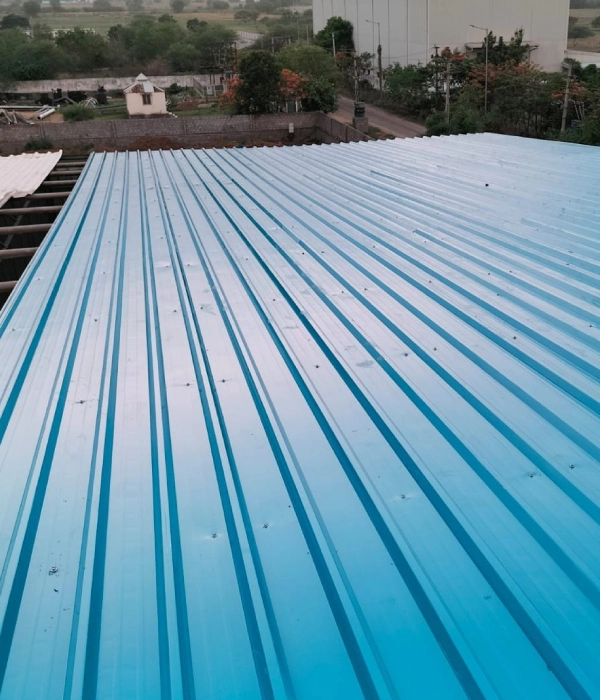
- Metal Roofing: Sheets Of Metal, Such As Aluminum, Steel, Or Copper, Are Used For Both Residential And Commercial Applications.
- Membrane Roofing: This Involves Applying A Waterproof Membrane To The Roof Surface, Often Used For Flat Roofs.
Fabrication
Fabrication Is The Process Of Creating Or Manufacturing Products Or Structures From Raw Materials. In The Context Of Construction, It Often Involves:
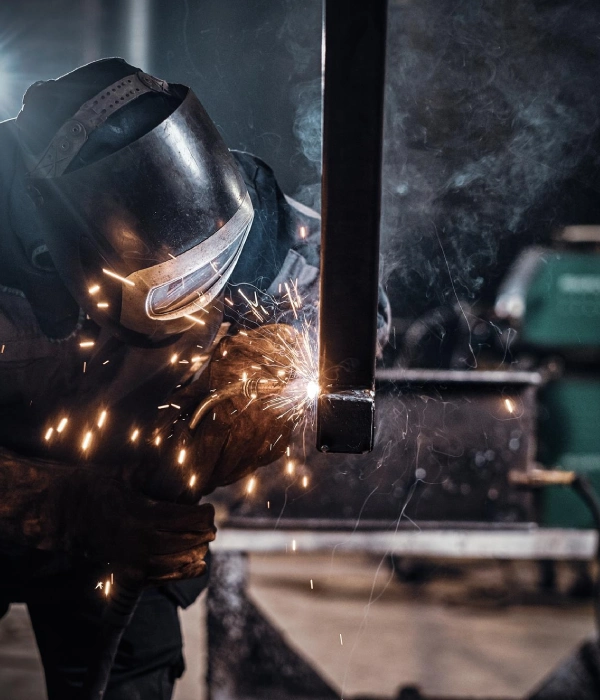
- Metal Fabrication: Cutting, Bending, Shaping, And Assembling Metal Components To Create Structures Like Steel Beams, Girders, And Trusses.
- Structural Steel Fabrication: This Specializes In Creating Large-Scale Steel Structures For Buildings, Bridges, And Other Infrastructure.
- Custom Fabrication: Creating Unique Or Specialized Components Or Structures According To Specific Requirements.
How Roofing And Fabrication Intersect Roofing And Fabrication Often Intersect In The Construction Of Buildings And Structures. For Example:
- Metal Roofing: The Fabrication Of Metal Sheets And Panels Is Essential For Creating Metal Roofs.
- Structural Steel: Fabricated Steel Beams And Trusses Can Be Used As A Support System For Roofs.
- Custom Fabrication: Specialized Roofing Components, Such As Custom-Shaped Gutters Or Skylights, May Require Fabrication.
In Essence, Roofing And Fabrication Are Complementary Fields That Work Together To Create Functional And Aesthetically Pleasing Roofs For Various Types Of Buildings.